Is Gardening a Good Screen-Free Hobby? A Realistic Comparison With Digital Leisure

12 min read
Contents
- What Gardening Offers That a Screen Cannot
- Progress you can see and touch
- A routine shaped by seasons rather than notifications
- Why slow progress can still feel satisfying
- Gardening vs Digital Hobbies: The Practical Differences
- Time and commitment
- Cost and control
- Physical effort and accessibility
- Different Kinds of Rewards Demand Different Kinds of Attention
- Immediate feedback and uncertain outcomes
- The particular appeal of growing something alive
- What It Actually Takes to Start a Small Flower Garden
- A container garden for limited space
- A small daylily bed for a sunny yard
- Starting with plant divisions instead of buying everything new
- The Downsides That Hobby Lists Rarely Mention
- Gardening is seasonal
- Plants do not always follow the plan
- Maintenance is part of the hobby
- A Seven-Day Test Before You Commit to a Larger Garden
- Keeping the Hobby Interesting Through a Canadian Winter
- Who Is Gardening Most Likely to Suit?
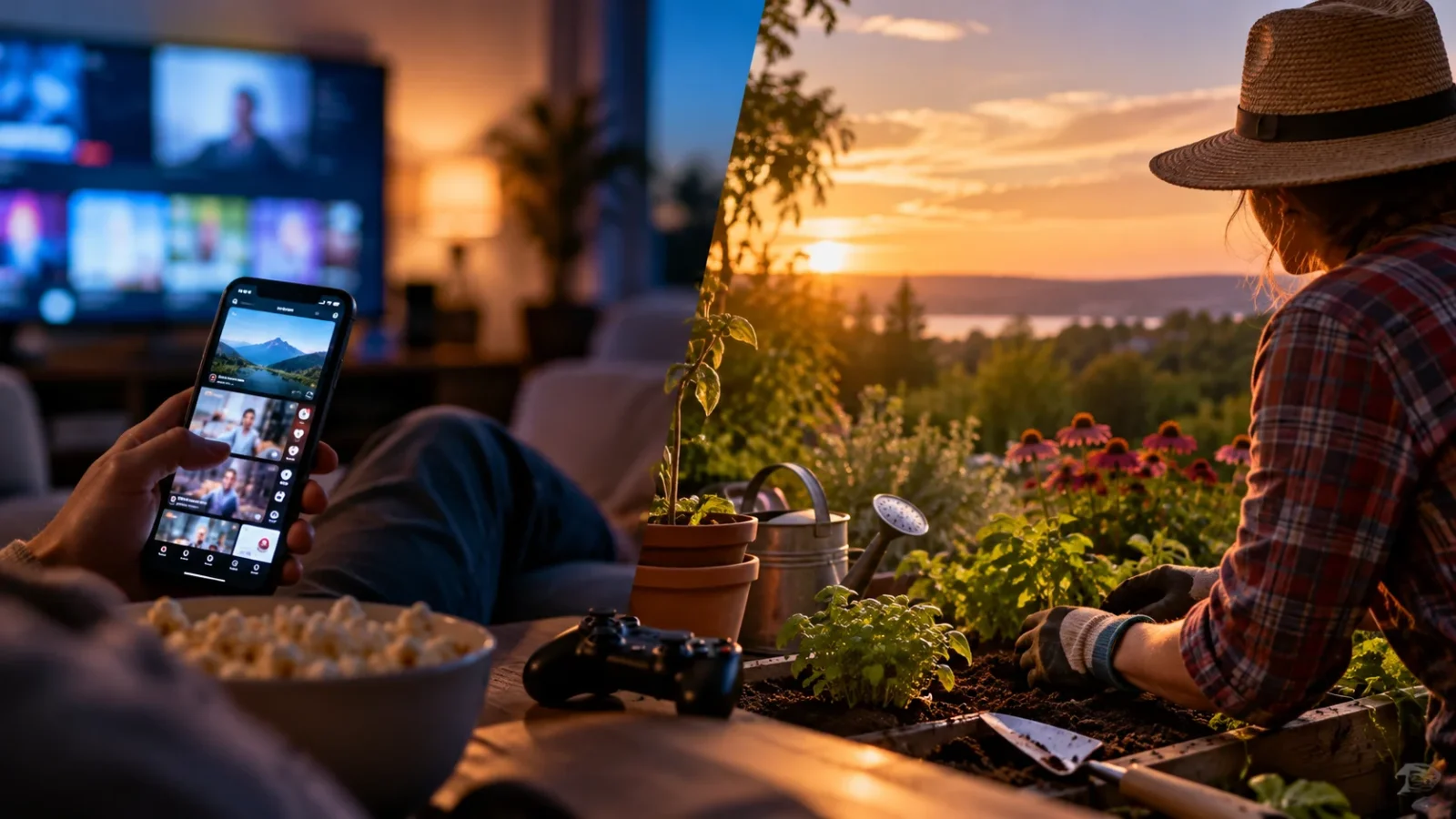
An evening can disappear surprisingly quickly between a few short videos, a game and one last look at social media. Gardening offers a different way to spend that time: something to care for, a reason to step outside and a result that gradually takes shape beyond a screen.
But gardening is not an effortless substitute for digital entertainment. Plants need attention even when you’re busy, progress can be slow, and much of Canada has a limited outdoor growing season.
The question isn’t whether gardening is universally better than digital hobbies. It’s whether growing something would make your free time more satisfying, given the space, energy and commitment you actually have.
What Gardening Offers That a Screen Cannot
Gardening produces a physical result that remains after the activity ends. A flower bed changes as plants establish, mature and respond to the weather. Those changes continue between gardening sessions, giving you something to return to without needing to start over.
Progress you can see and touch
Consider a newly planted daylily (Hemerocallis). During its first season, the plant may produce relatively few flowers while its roots establish. The following summer, a healthy clump can develop additional leaf fans and more flowering stems.
That gradual development is part of the experience. You can notice new shoots, improve the soil, move a poorly positioned plant or divide an established clump to create another planting.
Unlike completing a digital level or finishing a television series, the result occupies a real place in your home environment.
Of course, physical hobbies aren’t limited to gardening. Woodworking, knitting and painting also produce tangible results. Gardening is distinctive because the materials are alive and the outcome depends partly on conditions outside your control.
A routine shaped by seasons rather than notifications
A garden has its own schedule.
Spring brings new growth and planting opportunities. Summer involves watering, weeding and enjoying flowers. Autumn is a time to prepare for dormancy, while winter offers a break from many outdoor jobs.
That rhythm can appeal to someone whose work and leisure already involve constant digital notifications.
The Mental Health Commission of Canada’s 2025 resource Design Your Digital Diet encourages finding a sustainable balance with technology rather than treating disconnection as an all-or-nothing exercise.
Gardening fits that approach. Spending twenty minutes outdoors does not require abandoning video games, streaming or social media. It simply creates another option for part of the day.
Why slow progress can still feel satisfying
Some hobbies provide immediate feedback. Gardening often doesn’t.
A newly divided daylily might need a growing season to settle in. A perennial border may take several years to develop the fullness shown in catalogue photographs.
For someone who enjoys planning, observation and incremental improvement, that can be rewarding. For someone who wants a finished result every evening, the pace may be frustrating.
Neither preference is inherently better. Recognizing what you enjoy is more useful than forcing yourself into a hobby because it sounds healthy or productive.
Gardening vs Digital Hobbies: The Practical Differences
Gardening and screen-based hobbies differ most in their demands on time, space and attention. Digital activities are often easier to begin spontaneously, while plants introduce responsibilities that continue between sessions.
| Activity | Time commitment | Cost predictability | Physical activity | Seasonal limitations |
|---|---|---|---|---|
| Flower gardening | Brief regular care, with occasional longer jobs | Moderate; plants and tools can be reused | Light to moderate, depending on tasks | Outdoor work depends on climate |
| Casual digital games | Flexible sessions | Varies from free games to purchases and subscriptions | Usually limited | Generally available year-round |
| Social media and video browsing | Easy to start and extend | Often free, with optional purchases | Usually sedentary | None |
| Crafts and home projects | Flexible, project-based | Materials and tools vary | Usually light | Mostly independent of weather |
Time and commitment
A digital game can usually be paused or left untouched for several days without consequences. A container garden cannot always wait.
During hot, dry weather, potted plants may need frequent watering. An established perennial bed generally requires less attention, but weeds, drought and seasonal maintenance still need consideration.
The work isn’t necessarily extensive. A small flower bed might require only a few short visits during a typical week, followed by occasional longer sessions for planting or dividing.
However, the schedule is partly determined by weather rather than personal convenience.
Cost and control
Gardening can be inexpensive, but it isn’t automatically free.
A beginner may need containers, potting mix, plants, a watering can and a few basic tools. Larger projects may involve compost, mulch, edging materials or irrigation equipment.
The advantage of perennial gardening is that healthy plants can return year after year. Daylilies can eventually be divided, producing additional plants without another purchase.
Digital hobbies have different cost structures. Some require little more than a device already owned, while others involve subscriptions, downloadable content or ongoing purchases.
For gardening, the easiest way to control spending is to start with a defined space and a short plant list instead of purchasing everything that catches your eye at the garden centre.
Physical effort and accessibility
Gardening involves movement, although the amount varies considerably.
Planting, carrying soil, digging and weeding can require bending, lifting and kneeling. Watering a few patio containers is generally less demanding.
Health Canada identifies gardening as an enjoyable form of physical activity while also advising precautions against overexertion, sun exposure and injuries from tools.
Raised beds, lightweight equipment, long-handled tools and accessible containers can reduce some physical demands. They won’t eliminate every limitation, but they make gardening possible for people who cannot comfortably maintain a conventional ground-level bed.
Different Kinds of Rewards Demand Different Kinds of Attention
One reason people move between hobbies is that different activities offer different kinds of satisfaction.
A puzzle provides the pleasure of solving a problem. A video game may reward quick decisions, exploration or mastering a skill. Gardening depends on patient observation, practical choices and processes that cannot be fully controlled.
Immediate feedback and uncertain outcomes
Screen-based leisure ranges from calm puzzle games to platforms built around quick, uncertain results. The crucial difference is whether uncertainty simply adds interest or carries a financial stake.
A usdc casino is one example of the latter, where chance-based entertainment uses a digital currency and can involve real financial losses.
The uncertainty of gardening is different: a new shoot or flower arrives after care and patience rather than a wager. That slower feedback cycle is part of what makes a small perennial bed appealing to people seeking a hands-on pastime.
Even within ordinary digital gaming, the experience can vary considerably. A strategy game may require sustained concentration, while casual browsing can involve rapidly switching between unrelated content.
Screen time isn’t one uniform activity, and treating every digital pastime as equally passive overlooks those differences.
The particular appeal of growing something alive
A living plant responds to what you do, but not always immediately or predictably.
Watering during a dry spell may protect developing flower buds. Moving a daylily into better sunlight can improve future flowering. Dividing an overcrowded clump may restore vigour over subsequent seasons.
These are practical decisions with visible consequences.
There is also room for experimentation. Gardeners can compare planting combinations, observe which varieties perform reliably and gradually develop a stronger understanding of their particular growing conditions.
That combination of care, uncertainty and gradual progress makes gardening more than outdoor decoration.
What It Actually Takes to Start a Small Flower Garden
You don’t need a large property or an elaborate landscape plan to begin. The best first project is one you can maintain without turning your free time into another list of obligations.
A container garden for limited space
A sunny patio or balcony can support a modest flowering garden.
Start with one substantial container with drainage holes, suitable potting mix and a compact perennial or seasonal flowering plant.
A compact daylily can grow in a large pot, ideally with enough depth and width for its developing root system. A container roughly 35–45 cm wide may suit a smaller cultivar initially, although the required size depends on the plant.
Check the amount of direct sunlight. Daylilies generally flower best with at least six hours daily.
Winter is the main complication. Roots in containers are more exposed to freezing and temperature fluctuations than roots in the ground. In colder areas, a potted perennial may need a sheltered, suitably cold overwintering location or another protective arrangement.
Apartment residents should also check balcony rules, drainage arrangements and weight limits before installing heavy planters.
A small daylily bed for a sunny yard
For someone with outdoor ground space, a modest perennial bed offers a manageable first project.
A planting area around 1.2 m × 2 m could accommodate two appropriately sized daylilies and a few compact companion plants, depending on their mature spread.
Choose well-drained soil, remove persistent weeds and leave enough room for growth.
Daylilies are useful beginner plants because established clumps are relatively tolerant of ordinary garden conditions. Their flowers provide summer colour, while companions such as catmint or coneflowers can extend the display.
If you have a sunny patch of ground and want a manageable first project, a simple daylily garden bed plan offers a useful starting point without requiring a large collection of plants.
Starting with plant divisions instead of buying everything new
Perennial gardening becomes more affordable when you don’t need to purchase every plant at retail prices.
Established daylilies can be divided into smaller sections, each with healthy leaf fans and roots. Garden clubs and local plant exchanges sometimes offer divisions, seeds and surplus plants.
Organizations such as the Ottawa Horticultural Society and local horticultural clubs across British Columbia and the Prairies organize educational activities and opportunities for gardeners to share plants.
Choose healthy material, inspect it for pests and confirm the plant’s identity and growing requirements before bringing it home.
A free plant that spreads aggressively or cannot survive your winters isn’t necessarily a bargain.
The Downsides That Hobby Lists Rarely Mention
Gardening is often presented as peaceful, inexpensive and easy. It can be all three, but not consistently.
Gardening is seasonal
In much of Canada, the outdoor growing season is relatively short.
A gardener in a mild coastal location may have opportunities to work outside for much of the year. Someone in Manitoba or northern Alberta will face a very different winter schedule.
If you’re looking for an activity that provides daily outdoor engagement in every month, gardening alone may not meet that need.
Plants do not always follow the plan
A late frost can damage tender growth. Summer drought can reduce flowering. Slugs may chew hosta leaves, and a newly divided daylily might not bloom well during its first season.
These setbacks aren’t necessarily evidence of poor gardening.
Some people enjoy solving such problems. Others find them discouraging, especially when the hobby was supposed to provide relief from everyday responsibilities.
Maintenance is part of the hobby
The finished garden photographs rarely show the routine work.
Weeds return. Containers dry out. Some plants grow larger than expected, and others need to be moved because the original location isn’t suitable.
Perennials can reduce repeated planting, but low-maintenance does not mean maintenance-free.
A Seven-Day Test Before You Commit to a Larger Garden
You can find out whether gardening appeals to you without making a significant investment.
The purpose of this experiment is not to grow a spectacular plant in one week. It’s to experience the small decisions and routine attention involved.
- Day 1 — Observe your space. Spend a few minutes outside, noting sunlight, shade, wind and possible planting locations.
- Day 2 — Choose one realistic project. Decide between a container, a small section of ground or helping with an existing garden.
- Day 3 — Prepare the location. Clear a small area, check drainage or clean a suitable container.
- Day 4 — Plant something appropriate. Choose a plant already suited to the season and conditions rather than starting a difficult experiment.
- Day 5 — Check moisture and condition. Learn how the soil feels when it needs watering. Don’t water automatically if it remains moist.
- Day 6 — Spend time observing. Look at the foliage, nearby insects, changing light and any signs of stress. Record what you notice.
- Day 7 — Assess the experience. Did you enjoy the process, or did the plant already feel like another chore?
If you’re testing the hobby during winter, use a suitable indoor plant or focus on planning and observing an existing garden. Do not buy a summer perennial merely to complete the experiment indoors.
The most useful result is knowing whether you enjoyed paying attention to a living plant, even when nothing dramatic happened.
Keeping the Hobby Interesting Through a Canadian Winter
Winter doesn’t have to end a gardening hobby, but the activities change.
Photographs taken during summer become valuable planning tools. You can compare the garden’s appearance across seasons, identify overcrowded areas and decide where another plant might improve the layout.
A simple paper garden journal can record flowering dates, successful combinations and varieties that struggled.
Winter is also a good time to examine printed seed catalogues, sketch a new border or attend a horticultural society meeting. Some clubs offer talks and educational activities outside the main growing season.
Indoor plants provide another possibility, although their care requirements differ from those of outdoor perennials.
There is no need to turn winter gardening into a complicated indoor growing operation. Sometimes the seasonal break is part of the appeal.
Who Is Gardening Most Likely to Suit?
Gardening is a good screen-free hobby for someone who enjoys gradual progress, doesn’t mind a little routine maintenance and finds satisfaction in improving a physical space.
It may be especially appealing if you already spend much of your working day at a computer, want occasional light outdoor activity or enjoy learning practical skills over time.
It is less convenient for someone who travels frequently without reliable plant care, has no suitable growing space or dislikes responsibilities that continue between hobby sessions.
Limited mobility doesn’t automatically rule it out. Containers, raised beds and shared community gardens can provide alternatives, although access and physical demands still need to be considered.
And if you’re perfectly happy with digital entertainment, gardening doesn’t need to replace it. The two can coexist.
A small flower bed gives you somewhere to direct your attention when you’d rather not spend another hour looking at a screen. It offers a different kind of entertainment: slower, less predictable and grounded in something that continues growing when you put your phone away.
Start with one container or a few hardy perennials. If caring for them becomes something you look forward to, the garden can grow from there.